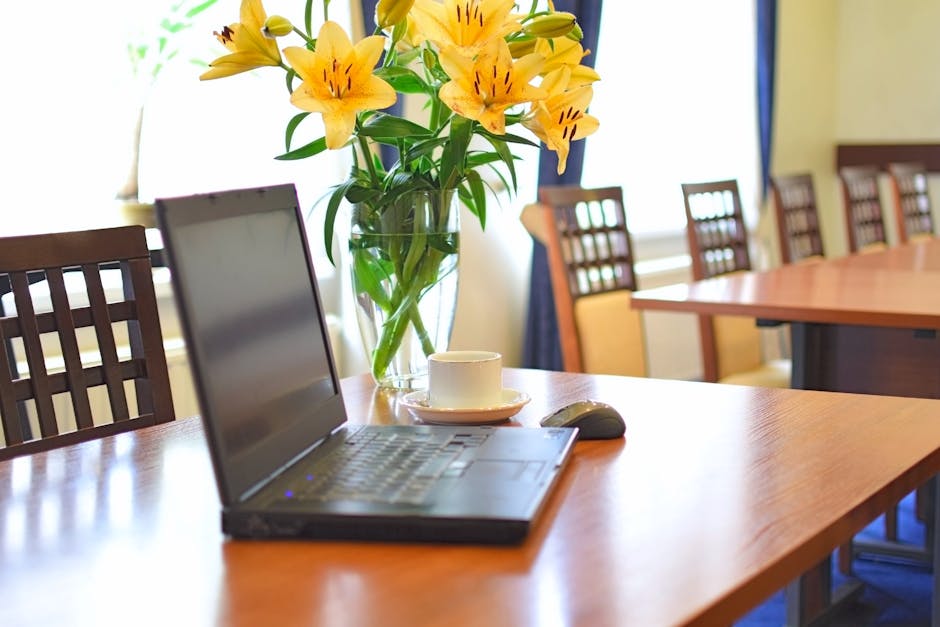
Corporate flower service for businesses on Upper Tooting Road
Posted on 13/10/2026
If you run a business on Upper Tooting Road, you already know the small details matter. The right lighting, a tidy reception desk, a calm meeting room, and yes, fresh flowers that make the space feel cared for rather than improvised. A Corporate flower service for businesses on Upper Tooting Road is exactly that kind of detail: a practical, polished way to keep your workplace looking welcoming week after week without adding yet another task to an already busy list.
In simple terms, corporate flower delivery is a regular or one-off floral service designed for offices, salons, clinics, showrooms, hospitality spaces, and client-facing businesses. Done well, it quietly lifts the whole atmosphere. Done badly, it becomes one more thing to chase, like a plant someone forgot to water two weeks ago. We've all seen that corner. Not ideal.
This guide walks through what the service is, how it works, who it suits, what to look for, and the mistakes to avoid. It also includes a practical checklist, a comparison of common options, and a realistic view of compliance and best practice in a UK business setting.
Table of Contents
- Why it matters for businesses on Upper Tooting Road
- How the service works
- Key benefits and practical advantages
- Who this is for and when it makes sense
- Step-by-step guidance
- Expert tips for better results
- Common mistakes to avoid
- Tools, resources and recommendations
- Law, compliance, standards, and best practice
- Options, methods, and comparison table
- Case study or real-world example
- Practical checklist
- Conclusion
- Frequently asked questions
Why Corporate flower service for businesses on Upper Tooting Road Matters
Upper Tooting Road sits in a part of south London where business premises often have to work hard for attention. Whether you're on a busy stretch near passing footfall or tucked into a quieter office building, your workspace sends a message before anyone speaks to a receptionist or sits down with a client. Flowers help shape that message.
To be fair, flowers are not a magic wand. They will not fix poor service, cluttered shelving, or a meeting room that smells faintly of toner and yesterday's takeaway. But they do improve the first impression. They soften hard edges, add colour to neutral interiors, and make a business feel attentive. That matters in sectors where trust, detail and presentation carry weight.
In our experience, businesses often underestimate how much a good floral display can do in the background. Clients notice. Staff notice. Even regular visitors may not comment directly, but they feel the difference. The space feels looked after. And that simple feeling can make a room seem calmer, more premium, more human.
For businesses on Upper Tooting Road specifically, there's also a practical local angle. Many premises are balancing busy client schedules, delivery windows, parking realities, and the general London pace of work. A dependable local floral service reduces admin and keeps the office looking consistent without needing a staff member to become part-time florist, which, let's face it, nobody asked for.
Expert summary: Corporate flowers work best when they are treated as part of workplace presentation, not as occasional decoration. The real value is consistency, convenience, and a space that feels intentional every single week.
How Corporate flower service for businesses on Upper Tooting Road Works
A corporate flower service is usually built around a simple process. The provider learns about your business, your space, and the tone you want to create. Then they recommend arrangements, delivery frequency, and maintenance expectations. Some businesses want a weekly statement arrangement for reception. Others prefer smaller desk vases, occasional event flowers, or a rotating scheme for meeting rooms and communal areas.
Here's what the process often looks like in practice:
- Initial consultation - You explain the type of business, the layout of the space, and what kind of impression you want to create.
- Style and colour planning - The florist considers your branding, furnishings, seasonal timing, and whether you want subtle, luxury, or more creative designs.
- Delivery schedule - Flowers may arrive weekly, fortnightly, or for specific events. The schedule should fit your footfall and how long arrangements typically last in your space.
- Placement and setup - Arrangements are placed where they will be seen but not obstruct work, access, or safety.
- Refresh or replacement - Old blooms are removed and arrangements are renewed on the agreed cycle.
Many businesses choose a subscription-style setup. That keeps things predictable. You know when flowers arrive, what budget to expect, and how the design will be refreshed. It also means fewer awkward last-minute emails asking, "Can we get something nice by Friday?" because of course Friday always appears faster than expected.
If you already use corporate accounts, a recurring service can make administration easier too. Billing, delivery preferences and ongoing requests are handled more smoothly when everything is agreed in advance.
Key Benefits and Practical Advantages
The best corporate flower service does more than look pretty. It solves practical problems and improves the customer experience in quiet, measurable ways that people notice even when they do not consciously think about them.
1. Stronger first impressions
Reception areas are like a handshake for the building. Fresh flowers say someone is paying attention. They can make a lobby feel more inviting and less anonymous, especially in professional settings where the environment needs to feel organised and considered.
2. A better client and visitor experience
Clients waiting for meetings, visitors checking in, or patients arriving for appointments all benefit from a calmer atmosphere. Flowers help reduce the hard, sterile feel that some business spaces naturally have. That doesn't mean turning the office into a conservatory. It means choosing arrangements that support the room instead of fighting it.
3. Support for brand presentation
Colour matching is often underrated. Soft whites and greens suggest calm. Rich reds and deep purples feel more dramatic. Mixed arrangements can create energy. The right choice should align with your brand voice and interior style. If your brand is sleek and modern, too much fuss may look off. If your business is warm and client-led, minimal arrangements can feel cold. Balance matters.
4. Less staff hassle
When a florist manages the service properly, your team spends less time buying, arranging, watering, and replacing tired flowers. That's a real operational benefit, not just a nice-to-have. It removes low-value admin from people who have better things to do.
5. Flexible for events and seasonal needs
Corporate flower services are not limited to the reception desk. They can support open days, staff celebrations, product launches, awards evenings, and seasonal refreshes. A business that already has flowers in place can adapt quickly for an event without starting from scratch.
6. Better value than one-off panic buying
One-off purchases are often reactive. Regular service can be easier to budget for, especially if your provider offers packages or predictable delivery patterns. You avoid the "we need something today" premium that tends to appear when time is short and expectations are high.
| Business need | Best floral approach | Why it works |
|---|---|---|
| Reception area presentation | Weekly statement arrangement | Maintains a fresh, premium welcome |
| Client-facing meeting room | Small low-profile arrangement | Adds warmth without causing distraction |
| Open-plan office | Simple desk or shared-space flowers | Creates lift without clutter |
| Event or launch | Tailored seasonal arrangements | Supports theme and brand identity |
| Budget-conscious setup | Smaller regular designs | Keeps consistency without overstretching spend |
Who This Is For and When It Makes Sense
Not every business needs flowers every week, and that's fine. The real question is whether they add value to the space and the customer experience. If people come into your premises, sit down with staff, or make purchasing decisions in person, flowers are usually worth considering.
This service tends to suit:
- Offices that want a professional reception or meeting-room finish.
- Clinics, practices and wellness spaces where a calm, reassuring environment matters.
- Salons and beauty businesses that rely on atmosphere and presentation.
- Restaurants, cafes and boutique hospitality spaces looking for a polished interior.
- Estate agents, consultancies and professional services where client trust is built face to face.
- Retail showrooms that want to create a premium visual experience.
It also makes sense if you host meetings, run staff events, or regularly welcome visitors from outside your team. Some companies only need flowers for seasonal campaigns or key dates. Others keep them on rotation all year because the business would feel oddly bare without them. Both approaches are valid.
If you are unsure, start with a smaller arrangement in one visible area. See how the room changes. You often notice the effect within a day, especially in the morning when natural light catches fresh petals and the whole place feels a touch more alive. That tiny lift can be surprisingly persuasive.
Step-by-Step Guidance
Choosing the right corporate flower service becomes much easier when you break it into practical steps rather than trying to decide everything at once.
Step 1: Identify where flowers will have the most impact
Reception desk, boardroom, waiting area, staff kitchen, customer lounge, or front window? Pick the locations that shape perception first. Don't scatter small arrangements everywhere if one or two stronger placements would do more work.
Step 2: Decide the purpose
Are you trying to impress clients, calm a waiting area, support a brand refresh, or simply make the office feel less bare? Purpose drives style. A good florist will ask this early, because "nice flowers" means different things to different businesses.
Step 3: Choose a style that fits the business
Minimal, classic, seasonal, luxurious, corporate-neutral, or more expressive? There's no single correct answer. But there is such a thing as mismatch. A playful arrangement can feel out of place in a legal or financial setting, while a severe arrangement can feel too cold for a customer service space.
Step 4: Set the budget and frequency
Be honest about budget. A well-designed smaller arrangement that's refreshed regularly will often outperform a big one-off display that fades and droops. The best value is usually in consistency, not size for its own sake.
Step 5: Confirm delivery and access details
For businesses on Upper Tooting Road, access details matter more than people think. Delivery timing, entrance instructions, reception contact, and any building rules should all be clear. You want a smooth handover, not a call from a driver standing outside in the rain wondering which door is which.
Step 6: Review the service after the first cycle
Check how long the flowers lasted, whether the arrangement suited the room, and whether the colour palette worked under your lighting. Some spaces need taller designs. Others look better with low compact arrangements. Tiny adjustments make a big difference.
Step 7: Keep communication open
Good corporate floral service is a partnership. If your business has a new campaign, an important client visit, or a seasonal change in decor, let the florist know. The best results usually come from a bit of dialogue, not a rigid order sheet.
Expert Tips for Better Results
Here are the small details that tend to separate an average arrangement from one that genuinely improves the space.
- Match scale to the room. A large lobby can handle a bold design; a compact reception area may need something lower and cleaner.
- Think about sightlines. Flowers should be visible without blocking conversation, signage, or screens.
- Use seasonal materials where possible. Seasonal flowers often look fresher and more natural than forcing the same look all year round.
- Keep scent in mind. Some businesses need low-fragrance or fragrance-free arrangements, especially in close-contact or health-related settings.
- Choose sturdy stems for high-traffic areas. Busy spaces can knock delicate blooms about. It happens.
- Ask for flower care advice. Simple things like water changes, cool placement, and keeping arrangements away from direct heat can extend life.
- Keep branding subtle. It's usually better to echo brand colours than to copy them too literally. You want harmony, not a logo in petals.
One other practical tip: photograph the arrangement in the space once it's been installed. That gives you a reference point for future orders. After all, memory plays tricks. What looked perfect in the flower shop can appear very different under office lighting at 8:30 on a grey Tuesday.

Common Mistakes to Avoid
Most problems with corporate flowers are avoidable. They usually come down to planning, not the flowers themselves.
Choosing style before function
It's tempting to pick the prettiest arrangement and call it done. But if the flowers block a view, clash with lighting, or overwhelm a small counter, they stop being useful. Function first, style second. Ideally both.
Ignoring the maintenance side
Flowers need care, even if the florist handles most of it. Someone in the business should know who receives deliveries, what to do if an arrangement arrives damaged, and when to report issues. A brilliant service can unravel if nobody owns the handover.
Over-ordering for the space
More is not always better. Too many arrangements can make a room feel cluttered or busy. One strong focal point is often enough.
Using the same display for every setting
A reception area, a boardroom and a customer lounge do not need the same thing. Different spaces serve different moods. One size rarely fits all.
Forgetting seasonality and timing
Christmas, Easter, summer launches, autumn refreshes, staff anniversaries, client events. A thoughtful service can adapt to the business calendar. If it doesn't, the space can start to feel stale. Not dramatic, just a bit flat.
Overlooking practical site details
Delivery access, parking, reception hours, lift access, and building rules can all affect the service. These details sound dull until they cause a failed delivery. Then they suddenly become very interesting.
Tools, Resources and Recommendations
You do not need a complicated system to manage corporate flowers well. A few simple tools and habits are enough.
- Space notes: Keep a basic note of room sizes, table dimensions, and any restrictions on height or scent.
- Colour reference: Save a few brand images or interior photos so the florist can see the atmosphere you want.
- Delivery checklist: Record who accepts deliveries, where items should be placed, and any security or access steps.
- Seasonal calendar: Mark business events, client visits, launches and holidays in advance.
- Care guidance: Use simple flower care instructions for staff who may move or water arrangements between visits.
If you want to keep the broader experience polished, it can also help to understand the wider service standards of the provider. Pages such as about us, guarantees, delivery, and flower care can tell you a lot about reliability, aftercare and expectations before you commit.
For businesses that are comparing floral gifting or presentation options for staff and clients, it can also be helpful to look at corporate gifting and a curated selection like florist choice. That can be a sensible way to keep things fresh without micro-managing every stem.
And if your office sometimes needs occasional extras for events or client moments, the broader catalogue matters too. Options such as luxury flowers, best sellers, and flowers in a vase are useful starting points when you want something reliable rather than experimental.
Law, Compliance, Standards, or Best Practice
For a corporate flower service, the main compliance issues are usually practical rather than legal. That said, businesses should still think about health, safety, access, and general workplace responsibilities.
In a UK business environment, it is sensible to keep walkways clear, avoid placing arrangements where they could cause trips or block exits, and avoid anything that creates excessive fragrance in confined spaces. If flowers are used in a public-facing area, they should be placed safely and securely, especially where customers, visitors, or staff move around quickly.
If your business has staff or visitors with allergies or sensitivities, choose arrangements carefully. Low-pollen flowers, less scented varieties, or more compact designs may be the better option. This is just common sense really, but common sense is one of those things that sometimes needs writing down.
For offices and shared premises, it's also worth aligning floral displays with your cleaning and waste routines. Dead stems, spilled water, or broken containers should be dealt with promptly. The best practice is simple: keep the display attractive, but never at the expense of safety or tidiness.
On the supplier side, trust signals matter. Clear terms, transparent payment processes, sensible delivery expectations, and a straightforward returns or replacement policy all help reduce risk. If you need extra reassurance, review the provider's terms and conditions, payment, returns and refund, and privacy policy information before setting up a recurring service.
Options, Methods, or Comparison Table
Different businesses need different floral approaches. Here's a straightforward comparison to help you judge what fits best.
| Option | Best for | Pros | Watch-outs |
|---|---|---|---|
| Weekly subscription flowers | Reception areas and busy client spaces | Consistent look, easier planning, low admin | Needs clear budget and access details |
| One-off event flowers | Launches, meetings, celebrations | Flexible, tailored to a specific occasion | Less useful for day-to-day presentation |
| Smaller desk or table arrangements | Compact offices or meeting rooms | Neat, affordable, easy to position | Can be underwhelming if the space is large |
| Luxury statement displays | Premium brands and reception-led businesses | Strong visual impact, memorable impression | May need careful maintenance and higher spend |
| Seasonal rotation | Businesses wanting variety through the year | Fresh feel, keeps the interior changing naturally | Requires more planning and communication |
There's no single correct method. A clinic may need something low and calm, while a creative studio may prefer something bolder. What matters is whether the flowers work for the room and the people using it. If the service feels easy, the design usually follows.
Case Study or Real-World Example
Here's a realistic example based on the kind of work these services often support.
A small professional practice on Upper Tooting Road wanted to improve its reception area. The space had good natural light in the morning but felt a little sparse, especially when clients arrived early and waited for appointments. The team did not want a dramatic redesign. They simply wanted the room to feel calmer and more considered.
The solution was a modest weekly arrangement placed on the reception counter, with a low profile so it would not block sightlines. The colour palette stayed soft and neutral, with seasonal variation to keep the display from feeling repetitive. A second, smaller arrangement was added for the meeting room during busier weeks or important client visits.
What changed? Not the entire business. Just the feeling of the entrance. Staff reported that visitors seemed more relaxed on arrival, and the room looked finished rather than temporary. It was a quiet win. No fanfare, no big announcement. Just one of those improvements that people notice because the place suddenly feels better to be in.
That's the real strength of a good corporate flower service. It does not shout. It supports.
Practical Checklist
Use this checklist before setting up a corporate flower service for your business on Upper Tooting Road.
- Decide which spaces need flowers most: reception, meeting room, lounge, or window display.
- Set a realistic budget for regular delivery or occasional event use.
- Choose the mood you want: calm, premium, bright, modern, seasonal, or understated.
- Check access details for delivery: door codes, reception hours, parking, and contact names.
- Think about scent, allergies, and visibility in shared spaces.
- Ask how long the arrangements are expected to last in your environment.
- Confirm who receives deliveries and who flags any issue.
- Review payment, replacement and service terms in advance.
- Consider whether you want flowers year-round or only for peak business periods.
- Keep a record of what worked well so future orders are easier.
If you can tick most of those boxes, you're already ahead of the curve. Simple systems beat vague intentions every time.
Conclusion
A well-planned corporate flower service for businesses on Upper Tooting Road is not about decoration for decoration's sake. It is about making a business feel polished, welcoming and easy to trust. When the flowers fit the space, the rhythm of the service, and the character of the brand, they quietly improve the whole experience.
Start small if you need to. Focus on one high-impact area. Keep the brief clear. Choose reliability over drama. And give the flowers a job to do, rather than treating them as an afterthought.
In the end, the best arrangements are the ones that make a space feel cared for without ever demanding attention for the wrong reasons.
Get a free quote today and see how much you can save.
Frequently Asked Questions
What is a corporate flower service for businesses on Upper Tooting Road?
It is a professional flower delivery and arrangement service designed for workplaces, client-facing businesses, and commercial premises. It usually includes regular delivery, setup, and refreshes suited to your office or venue.
How often should business flowers be changed?
That depends on the flowers, the room temperature, and how much foot traffic the space gets. Weekly is common for reception areas, while smaller spaces may work well with a longer cycle. A good florist will advise based on the environment.
Are corporate flowers suitable for small offices?
Yes. In fact, smaller offices often benefit from simple arrangements because they make the space feel more finished without taking up much room. A compact vase or low arrangement can be enough.
Can flowers be matched to brand colours?
Usually, yes. Most providers can suggest flowers that reflect brand tones without making the display look too forced. Subtle colour coordination often works better than an exact match.
What types of flowers are best for workplaces?
Longer-lasting, low-maintenance flowers are often preferred, especially in busy or warm rooms. The best choice depends on the look you want, the light in the room, and whether fragrance or allergies are a concern.
Do corporate flower services help with events as well?
Yes. Many businesses use them for launches, client meetings, staff celebrations, awards evenings, and seasonal events. That can be a useful way to keep presentation consistent across different settings.
How do I know if I'm paying too much?
Compare what is included: design, delivery, setup, refresh frequency, and any replacement policy. A lower price is not always better if the service is unreliable or the arrangements do not suit your space.
What should I check before arranging regular deliveries?
Check access details, delivery times, budget, location of the arrangement, and who receives it. It's also wise to confirm what happens if a delivery is late, damaged, or unsuitable.
Are there any health and safety issues to think about?
Yes, but they are usually straightforward. Keep displays out of walkways, avoid blocking exits, and consider allergies or strong fragrance in enclosed spaces. Flowers should improve the space, not create a problem.
Can I start with a one-off order before committing to a subscription?
Absolutely. That is often the smartest way to begin. A trial delivery helps you see how the arrangement looks in the space and whether the size, colour and style are right.
What makes a good corporate florist different from a normal flower shop?
A good corporate florist understands consistency, scheduling, access, and the needs of business environments. They're not just selling flowers; they're helping manage presentation in a working space.
Is it worth using flowers in a reception area if clients only stay a few minutes?
Yes, because first impressions form quickly. Even a short visit can be shaped by how calm, tidy, and welcoming the reception area feels. Small details carry more weight than people often expect.
How can I keep flowers looking fresh for longer?
Keep them away from heat sources, change water as advised, remove fading stems, and follow any care instructions from the florist. A little attention goes a long way, honestly.
Where can I learn more about delivery and service standards?
You can review the provider's delivery, flower care, guarantees, and terms information to understand how the service is handled. That gives you a much clearer idea of what to expect before placing an order.